Understanding physiological and nutritional factors in an everyday context
OptimalBodyUK is an independent educational platform providing general information on body composition science. This resource explains physiological mechanisms, metabolic processes, and nutritional concepts in an informational context—not as advice or guidance for personal use.
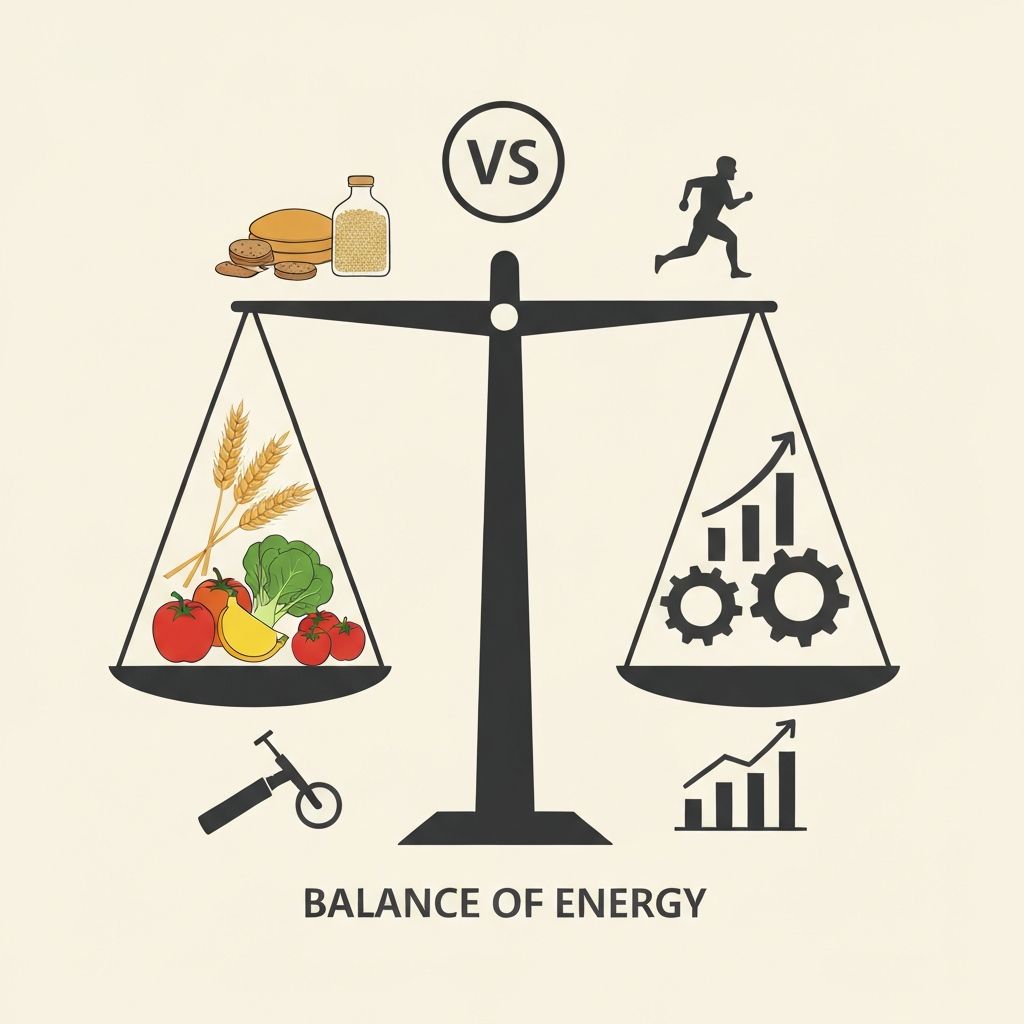
Energy balance represents the relationship between energy intake from food and energy expenditure through metabolic processes. This fundamental concept describes how the body regulates weight stability through the interaction of caloric input and utilisation.
Research in nutritional science documents how variations in energy intake and expenditure correspond with changes in body composition across populations. The mechanisms underlying these relationships involve complex physiological systems that govern how the body stores and uses energy.
Learn More
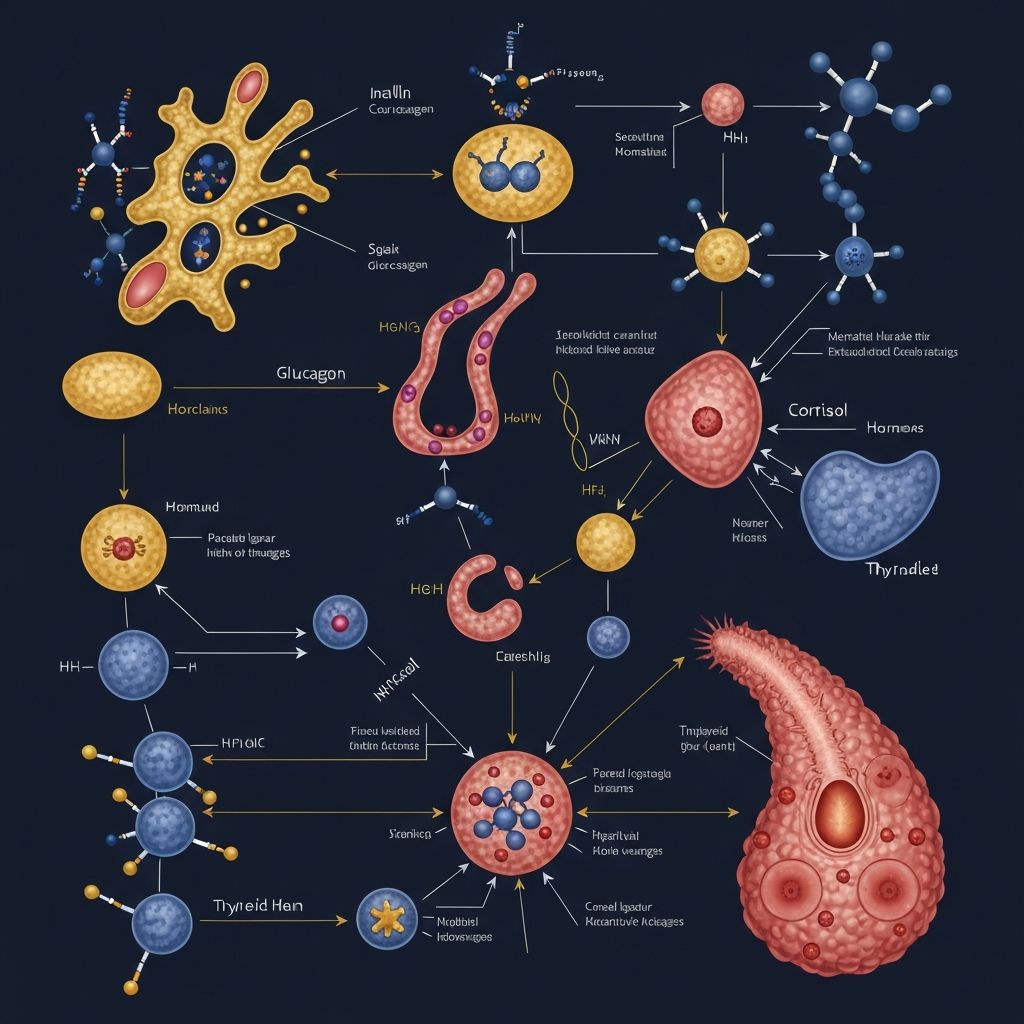
Hormones play significant roles in energy regulation and body composition. Key hormones including insulin, glucagon, and others influence how the body processes nutrients and manages energy storage.
Research describes how these hormonal systems respond to nutritional patterns and metabolic demands. Understanding their physiological roles provides context for how the body adapts to varying energy conditions.
Explore the ScienceAdipose tissue serves as the body's primary energy storage depot. This tissue dynamically responds to nutrient availability and metabolic signals, with complex physiological mechanisms governing how energy is stored and released.
Research documents the structure and function of adipose tissue across varying body compositions, describing how this tissue adapts in response to nutritional and metabolic factors.
Muscle tissue represents a metabolically active component of body composition with multiple physiological roles beyond movement. The structure and function of muscle tissue responds to various stimuli including nutritional factors and activity patterns.
Scientific literature describes how muscle protein composition and structure relate to metabolic health and body weight stability across populations.
Different macronutrients—proteins, carbohydrates, and fats—are processed through distinct metabolic pathways. The body's utilisation of these nutrients varies based on availability, energy status, and metabolic conditions.
Proteins are broken down into amino acids and utilised for various physiological functions. The body's handling of protein nutrition involves complex metabolic processes documented in nutritional research.
Carbohydrates are metabolised for immediate energy or stored as glycogen. The body's glucose regulation involves hormonal coordination and metabolic adaptation to varying carbohydrate availability.
Fats provide concentrated energy and are essential for numerous physiological functions. The metabolism of dietary fat involves specific enzymatic pathways and hormonal regulation across different metabolic states.
Population-level research provides observational data on factors associated with varying body compositions across demographic groups. These studies describe correlations without implying causation or providing individual guidance.
UK health surveys and international research document how dietary patterns, activity levels, and other lifestyle factors correlate with body composition markers across populations. This population-level context helps illustrate the complexity of body composition regulation.
View Related Content
The body maintains weight stability through complex physiological systems. Metabolic rate, appetite regulation, and hormonal signalling all contribute to how weight fluctuates over time.
Food availability, dietary patterns, activity levels, and lifestyle factors influence energy balance. These environmental factors interact with physiological systems to determine weight outcomes.
Significant individual differences exist in how bodies respond to identical nutritional and activity patterns, reflecting genetic, metabolic, and physiological variation across populations.
Over extended periods, energy homeostasis mechanisms tend toward weight stability despite daily fluctuations. Understanding these long-term regulatory patterns provides important context.
Understanding how energy intake and expenditure relate to body weight changes through physiological mechanisms.
Read ArticleDetailed explanation of how these key hormones regulate nutrient processing and energy storage.
Read ArticleOverview of research on how muscle tissue responds to nutritional and metabolic triggers.
Read ArticlePopulation-level data on body composition markers from UK health surveys and research.
Read ArticleScientific explanation of how fat tissue responds to metabolic and nutritional signals.
Read ArticleBroad perspective on long-term factors influencing energy balance and weight stability.
Read ArticleThis resource provides foundational information on body composition science. For detailed explorations of specific topics, visit our Science Insights section.
View All Articles